
Apple users experienced a widespread service disruption on November 17, 2026, when several services across Apple’s ecosystem suddenly stopped working properly. The outage affected millions of users who rely on Apple services for everyday activities, including downloading apps, making digital payments, accessing cloud storage, listening to music, and signing in to their Apple accounts.
The major services affected included iCloud, the App Store, Apple Pay, Apple Music, Wallet, and Apple Account authentication. Some developers also reported difficulties accessing App Store Connect and other Apple-related tools.
The disruption raised concerns among iPhone, iPad, Mac, and Apple service users, particularly those who depend on Apple’s cloud-based services. Both online and offline services were disrupted by the outage. However, the impact varied by region, with users in specific areas, including the US, Italy, Spain, and Canada, reporting service interruptions. Meanwhile, services appeared to be working normally in other regions, including parts of Europe, the UK, and the Netherlands.
Some users with newly purchased devices, such as the iPhone Duo, were also unable to sign in to their accounts because of server-related issues. However, there is good news. Apple has confirmed that the affected services have been restored, and the reported outage is now resolved. This means users should be able to access their accounts, download applications, make supported payments, and use Apple’s services normally again.
But what caused this widespread disruption? Was Apple TV+ affected? Why were users reporting an iCloud down situation and an Apple Pay outage? Let’s look at the services affected, the possible cause, and what users should do if they are still experiencing problems.
What Happened During Apple’s November 17 Outage?
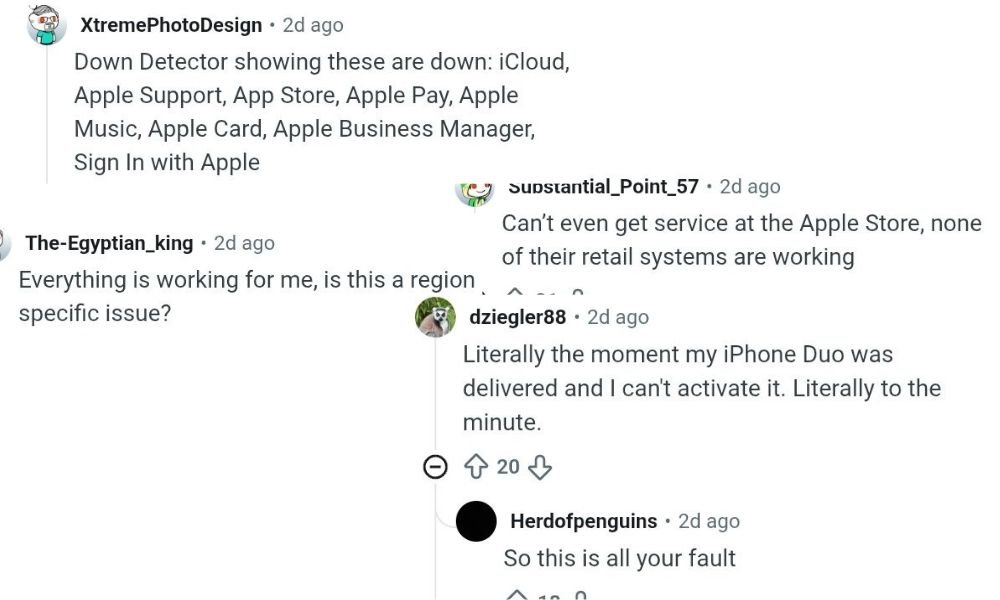
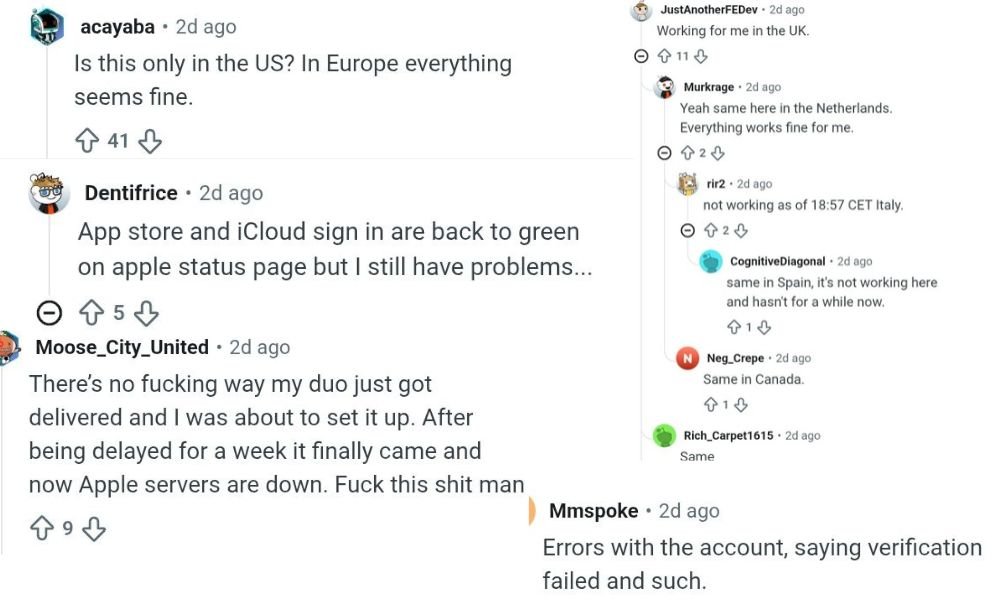
On November 17, Apple experienced a widespread service outage that disrupted several platforms across its ecosystem. Users reported problems accessing their Apple accounts, signing in to iCloud, downloading applications from the App Store, and completing certain payment-related activities.
The disruption was not limited to a particular Apple device. Since these services depend on Apple’s online infrastructure, users across different devices could experience similar problems.
For example, an iPhone user might have encountered an account verification error, while another user could have experienced problems downloading an application or accessing iCloud Mail. Meanwhile, many users experienced issues with payment processing and account verification.
The situation also affected developers who rely on App Store Connect to manage applications, monitor performance, and handle other publishing-related activities.
The good news is that Apple subsequently marked the affected services as restored. Therefore, users should no longer experience the same widespread disruption reported during the incident.
Which Apple Services Were Affected by the Outage?
Several Apple platforms experienced interruptions during the November 17 incident. Here is a closer look at the major services and the problems reported by users.
1. iCloud Outage: Sign-In and Account Verification Problems
iCloud is one of Apple’s most important services because it allows users to store and synchronize photos, documents, contacts, emails, and other information across their devices.
During the outage, users reported difficulties signing in to their iCloud accounts, completing verification, and accessing iCloud Mail and web-based applications.
The icloud down situation created inconvenience for users who depend on Apple’s cloud infrastructure to access their personal information. Some users also experienced problems with Apple Account authentication.
It is important to understand that an iCloud service interruption does not automatically mean that stored photos, documents, or other personal information have been deleted. The reported issue concerned service accessibility rather than confirmed data loss.
Apple has since marked the affected services as restored. If you are still unable to access your account, check your internet connection and try signing in again.
2. Apple App Store Outage: Downloads and Updates Interrupted
The App Store was another major platform affected by the November 17 outage. Users rely on it to download new applications, update existing apps, and search for their favourite services.
During the disruption, some users experienced login failures, unsuccessful downloads, update interruptions, and search-related errors. New customers also encountered problems while accessing Apple services.
An App Store outage can be particularly frustrating when users need to install an important application or update an existing one. Developers also reported problems with App Store Connect, which affected their ability to access certain application-management tools.
Fortunately, Apple has restored the affected App Store services. Users should now be able to download and update applications normally.
3. Apple Pay Outage: Digital Payment Problems
Apple Pay is widely used for contactless payments, online purchases, and transactions through supported Apple devices. Therefore, any disruption or major issue with Apple’s services can create inconvenience for users who depend on digital payments.
One major concern highlighted by this outage is the need for reliable offline payment options. Having an alternative payment method is essential in everyday life because unexpected service disruptions can create difficulties when users need to make urgent payments.
During the November 17 incident, Apple Pay, Apple Card, and Wallet were among the services reported to have experienced problems. The Apple pay outage raised concerns among users who wanted to complete payments or access their payment-related services.
However, an interruption to Apple Pay does not necessarily mean that every bank card or payment transaction was affected. The availability of individual payment methods can depend on the bank, card issuer, payment terminal, and Apple’s services.
Apple has marked the affected services as restored. If you still experience payment failures, check whether your bank or card issuer is reporting a separate issue before attempting another transaction.
4. Apple Music Outage: Connectivity and Playback Issues
Apple Music users also reported connectivity and playback-related problems during the widespread outage. The platform allows users to stream music, access playlists, listen to albums, and synchronize their music libraries across supported devices. When its online services experience an interruption, users may encounter difficulties accessing these features.
The Apple music outage was another example of how a disruption to Apple’s infrastructure could affect multiple services simultaneously. For users who rely on Apple Music throughout the day, connectivity problems can interrupt their listening experience. However, the reported incident should not be confused with a permanent loss of downloaded music or playlists. Apple has reported that the affected services are back online, so users should be able to access Apple Music normally.
5. Apple TV+ and Apple TV App: Were They Affected?
Many users may also wonder whether Apple TV+ experienced problems during the November 17 outage. Apple TV+ is Apple’s subscription-based streaming platform, while the Apple TV app provides access to different streaming services, purchased content, and other entertainment features.
However, the information provided about the November 17 incident does not establish that Apple TV+ or the Apple TV app was among the confirmed affected services. Therefore, it would be incorrect to claim that these platforms experienced a verified outage based only on the reports about iCloud, App Store, Apple Pay, and Apple Music.
If you are experiencing streaming problems, check Apple’s System Status page to see whether Apple TV services are reporting an independent issue.
What Caused Apple’s November 17, 2026 Outage?
One of the biggest questions following the incident was what caused so many Apple services to stop working simultaneously. According to the information reported about the incident, Apple attributed the disruption to an internal software update. However, the company did not publicly disclose the exact technical error or identify the specific update responsible.
Apple also ruled out a cyberattack, according to the reports provided. This is important because a widespread outage does not automatically indicate that user accounts have been compromised or that personal information has been exposed.
A software-related infrastructure problem can affect multiple services that depend on shared systems for authentication, communication, and account access. However, without a detailed technical explanation from Apple, it is not possible to identify the precise failure or explain exactly how the internal update affected each service.
When Were Apple’s Services Restored?
According to Apple’s System Status information and the reports provided, the affected services were restored by the evening of November 17, 2026, at approximately 6 p.m. Eastern Time.
The restoration covered the reported problems involving:
- iCloud and iCloud Mail.
- App Store downloads, updates, and search.
- Apple Pay, Apple Card, and Wallet.
- Apple Music connectivity.
- Apple Account authentication.
- AppleCare on Device.
- Apple Business Manager and Apple School Manager.
- Retail store systems and developer-related tools.
This means the widespread disruption was temporary rather than an ongoing service failure. Nevertheless, individual users may continue to experience problems because of local internet connectivity, device settings, account verification, or separate service interruptions.
Is Your iPhone Server Down or Is It a Device Problem?
Sometimes users assume their iPhone has developed a technical problem when Apple services stop responding. However, this is not always the case.
If Apple’s servers experience an outage, you may encounter problems even when your iPhone is working perfectly.
For example, you might experience:
- Unable to sign in to your Apple Account.
- App Store downloads remain pending.
- iCloud Mail failing to load.
- Apple Music not connecting.
- Apple Pay transactions failing.
- Verification codes not arriving as expected.
If you search for an iPhone server down, remember that an iPhone does not have one single server responsible for all its functions. Different Apple services rely on separate online systems.
Before resetting your iPhone or changing important settings, check whether Apple is experiencing a service disruption. You can visit the official Apple System Status page. It displays the availability of Apple’s services and helps you determine whether a problem is affecting multiple users or just your device.
What Should You Do If Apple Services Are Still Not Working?
Although Apple has confirmed that the reported outage has been resolved, some users may continue experiencing individual problems.
Here are a few things you can try:
1. Check Apple’s System Status: Visit the official status page and look for any service showing an ongoing issue.
2. Check your internet connection: Switch between Wi-Fi and mobile data to determine whether your connection is causing the problem.
3. Restart your iPhone: A simple restart can sometimes resolve temporary connectivity and application-related issues.
4. Sign in again: If you are experiencing Apple Account authentication problems, try signing in again after confirming that the service is available.
5. Avoid unnecessary resets: Do not immediately erase your iPhone or reset all settings because of a temporary server-side problem.
6. Contact Apple Support: If the issue continues even after services are restored, contact Apple Support for further assistance.
Apple Outages Appear to Be Resolved: Final Verdict
Apple’s November 17, 2026 outage affected several important services, including iCloud, App Store, Apple Pay, Apple Music, Wallet, and Apple Account authentication.
The disruption created difficulties for users trying to access their accounts, download applications, make payments, and use Apple’s online services.
However, the good news is that Apple has marked the reported affected services as restored. The incident was attributed to an internal software update, and Apple ruled out a cyberattack, according to the reports provided.
If you are still experiencing problems, do not immediately assume that your iPhone is faulty. Check Apple’s official System Status page and verify whether the issue is related to your device, internet connection, or a separate service interruption.
Overall, the reported November 17 outage appears to be resolved, and Apple users should be able to access the affected services normally again.
FAQs
1. Are Apple outages resolved now?
Yes. According to Apple’s System Status information provided for the November 17 incident, the affected services were restored by approximately 6 p.m. ET.
2. Why was Apple down on November 17, 2026?
Apple attributed the widespread disruption to an internal software update. However, it did not disclose the exact technical error responsible for the outage.
3. Was Apple Pay affected by the outage?
Yes. Apple Pay, Apple Card, and Wallet were among the services reported to have experienced problems during the November 17 disruption. The affected services have since been restored.
4. Was Apple TV+ also affected?
The available reports about this incident do not confirm that Apple TV+ or the Apple TV app experienced an outage. Users should check Apple’s official System Status page for their availability.
5. How can I check whether Apple servers are down?
Visit Apple’s System Status page to check the availability of iCloud, App Store, Apple Music, Apple Pay, and other Apple services.